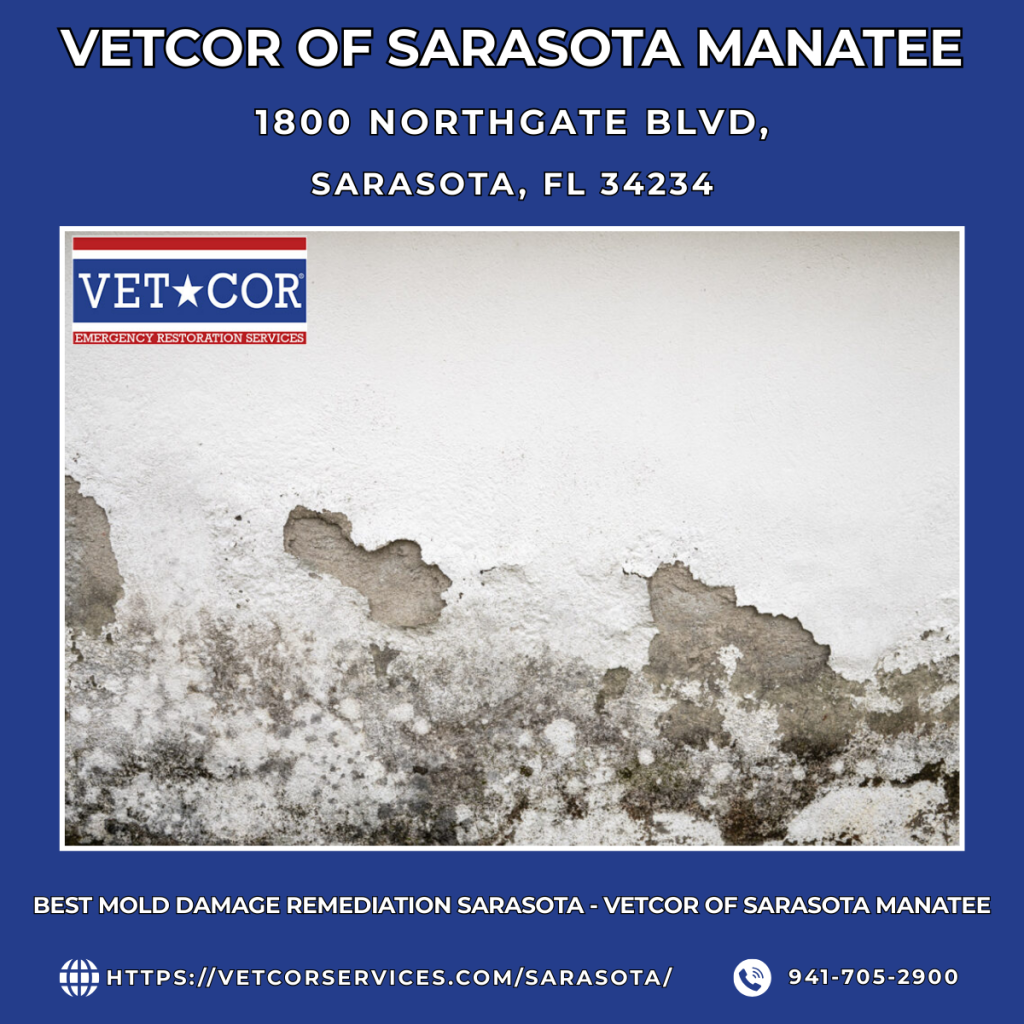
Best Mold Damage Remediation Sarasota - VetCor of Sarasota Manatee
Mold Risks in Sarasota Climate
Sarasota’s subtropical climate creates the perfect breeding ground for mold growth, with humidity levels often exceeding 70% throughout much of the year. The combination of warm temperatures, frequent rainfall, and proximity to the Gulf of Mexico means that homeowners face constant challenges in keeping their properties mold-free. Understanding Sarasota mold growth risks is essential for anyone living in this beautiful coastal region.
The primary culprits behind mold proliferation in Sarasota include consistently high humidity levels, seasonal flooding, and the aftermath of tropical storms and hurricanes. When indoor humidity remains above 60%, mold spores find ideal conditions to settle and multiply on various surfaces throughout your home. Additionally, the area’s vulnerability to water intrusion from heavy rains and storm surge creates situations where moisture can penetrate walls, foundations, and attics, establishing hidden colonies that may go unnoticed for months.
Florida’s rainy season, which typically runs from June through September, brings daily afternoon thunderstorms that dump significant amounts of rainfall in short periods. This precipitation, combined with aging building materials and inadequate ventilation systems, can lead to moisture accumulation in crawl spaces, behind walls, and in other concealed areas. Even properties that appear well-maintained on the surface may harbor dangerous mold growth in areas that homeowners rarely inspect.
Identifying Mold Damage
Recognizing mold damage signs Sarasota residents should watch for can mean the difference between a minor remediation project and extensive structural repairs. The most obvious indicators include visible discoloration on walls, ceilings, or floors, often appearing as black, green, brown, or white patches. However, mold doesn’t always announce its presence so clearly, making awareness of subtle symptoms crucial for early detection.
Musty odors represent one of the most reliable indicators that mold has established itself somewhere in your home. This distinctive smell, often described as earthy or damp, persists even after thorough cleaning and typically intensifies in enclosed spaces. If you notice this odor in specific rooms or areas, it’s time to investigate further, as the source may be hidden behind walls or beneath flooring materials.
Health symptoms among household members can also signal the presence of mold, even before visible signs appear. Residents may experience increased allergy symptoms, persistent coughing, eye irritation, skin rashes, or respiratory difficulties that improve when they leave the property. When multiple family members exhibit these symptoms simultaneously, environmental factors like mold should be considered as potential causes.
Professional testing becomes necessary when you suspect mold but cannot locate the source, when health symptoms persist despite visible mold removal, or when you’re purchasing a property in Sarasota’s high-risk climate. Best Mold Damage Remediation Sarasota services include comprehensive testing protocols that identify not only the presence of mold but also the specific species involved, which helps determine appropriate remediation strategies.
Hidden Growth Areas
Hidden mold detection requires understanding where moisture tends to accumulate in Sarasota homes. Wall cavities represent prime locations for concealed growth, especially in exterior walls that face afternoon sun and rain or interior walls adjacent to bathrooms and kitchens. When water penetrates through small cracks, failed caulking, or compromised weather barriers, it creates damp conditions within wall structures where mold can flourish undetected for extended periods.
Attics in Florida homes face unique challenges due to extreme temperature fluctuations and potential roof leaks. Poor ventilation combined with air conditioning system condensation can create surprisingly humid conditions in these spaces. Inspect attic areas regularly for water stains on rafters, discoloration on insulation materials, and any musty odors that might indicate active mold growth. Pay particular attention to areas around roof penetrations, such as chimneys, vents, and skylights, where water intrusion most commonly occurs.
Other hidden growth areas include beneath vinyl flooring or carpeting, especially in ground-level rooms or areas with historical water damage, inside HVAC ductwork where condensation accumulates, behind wallpaper or paneling that may trap moisture against wall surfaces, and in crawl spaces where ground moisture can create persistent dampness. Professional inspectors use thermal imaging cameras, moisture meters, and other specialized equipment to detect these hidden problems before they become severe.
Professional Remediation Steps
Understanding the mold remediation process helps homeowners know what to expect when they hire professional services. The first critical step involves containment, where technicians isolate the affected area using plastic sheeting and negative air pressure systems. This containment prevents mold spores from spreading to unaffected areas during the removal process, protecting both the property and its occupants from cross-contamination.
The removal phase employs various techniques depending on the extent of contamination and the materials involved. Non-porous surfaces like metal, glass, or hard plastics can often be cleaned and sanitized effectively, while porous materials such as drywall, insulation, carpeting, and ceiling tiles typically require complete removal and disposal. Professional technicians use HEPA-filtered vacuums, antimicrobial solutions, and specialized cleaning agents to eliminate mold colonies and the staining they cause.
Air filtration plays a vital role throughout the remediation process. Industrial-grade HEPA air scrubbers continuously filter the air in affected areas, capturing microscopic mold spores that become airborne during removal activities. These machines typically run for several days, even after visible mold has been removed, ensuring thorough air quality restoration.
The restoration phase begins once all contaminated materials have been removed and surfaces properly treated. This stage may involve relatively simple tasks like repainting and replacing small sections of drywall, or it might require extensive reconstruction of walls, flooring, and other structural elements. Best Mold Damage Remediation Sarasota professionals coordinate these restoration activities to return your property to its pre-damage condition while implementing improvements that reduce future mold risk.
Testing and Certification
Certified mold testing Sarasota services provide essential verification that remediation efforts have successfully eliminated mold problems. Post-remediation testing involves collecting air samples from treated areas and comparing them to outdoor air samples to ensure spore counts have returned to normal, acceptable levels. This testing should only occur after all remediation work has been completed and sufficient time has passed for any disturbed spores to settle.
Professional certifications matter significantly in the mold remediation industry. Look for companies whose technicians hold certifications from recognized organizations such as the Institute of Inspection, Cleaning and Restoration Certification (IICRC), the Indoor Air Quality Association (IAQA), or similar reputable bodies. These certifications demonstrate that technicians have received proper training in mold identification, containment procedures, removal techniques, and safety protocols.
Clearance testing serves as the final step before returning occupied spaces to normal use. Independent third-party testing provides the most reliable verification that mold levels have been reduced to acceptable ranges. This testing typically includes visual inspection, air quality sampling, and sometimes surface sampling to confirm that cleaning and remediation efforts have been thorough and effective.
Prevention After Remediation
Mold prevention Sarasota homeowners implement after professional remediation determines whether their investment in cleanup provides lasting value or merely temporary relief. The foundation of any prevention strategy involves controlling indoor humidity levels, ideally maintaining them between 30% and 50% year-round. This range inhibits mold growth while remaining comfortable for human occupants.
Dehumidifiers serve as powerful tools in Florida’s humid climate, particularly in rooms without adequate air conditioning or in spaces like garages, basements, and storage areas. Modern dehumidifiers with built-in humidity sensors automatically maintain desired moisture levels, and many models include drainage systems that eliminate the need for frequent manual emptying. For whole-house humidity control, consider installing a dehumidification system integrated with your HVAC equipment.
Proper ventilation prevents moisture accumulation in bathrooms, kitchens, and laundry areas where water vapor naturally occurs. Exhaust fans should vent directly to the exterior rather than into attic spaces, and they should run for at least 15-20 minutes after showering or cooking. In homes with poor natural ventilation, supplemental mechanical ventilation systems can significantly reduce moisture-related problems.
Address water intrusion sources promptly to prevent recurring mold issues. This includes maintaining gutters and downspouts to direct water away from foundations, repairing roof leaks immediately upon discovery, fixing plumbing leaks regardless of how minor they seem, and ensuring proper grading around the home’s perimeter. Regular inspections of these systems help catch potential problems before they create conditions favorable to mold growth.
Health Impacts of Mold
Understanding mold health risks helps explain why prompt remediation is essential rather than optional. Mold produces allergens, irritants, and in some cases, potentially toxic substances called mycotoxins. These compounds can affect people differently depending on their sensitivity, existing health conditions, and the duration and intensity of exposure.
Allergic reactions to mold represent the most common health impact, affecting an estimated 10-20% of the population. Symptoms include sneezing, runny or stuffy nose, itchy eyes and skin, and wheezing. For individuals with mold allergies, exposure can trigger severe reactions similar to those caused by pollen or pet dander. These symptoms typically worsen with continued exposure and may only fully resolve after the mold source has been eliminated and sufficient time has passed for the body to recover.
Respiratory problems pose serious concerns, particularly for individuals with asthma or other chronic lung conditions. Mold spores and fragments can irritate airways, causing coughing, difficulty breathing, and chest tightness. Asthma sufferers may experience increased attack frequency and severity when exposed to mold. Children, elderly individuals, and those with compromised immune systems face elevated risks from mold exposure.
Long-term exposure to certain mold types, particularly in poorly ventilated spaces with extensive growth, has been associated with more severe health effects. While research continues regarding the specific health impacts of various mold species, the general medical consensus emphasizes that indoor mold growth represents an unacceptable health hazard that requires professional remediation. Best Mold Damage Remediation Sarasota experts understand these health implications and prioritize thorough removal to protect building occupants.
Cost and Insurance Factors
Mold remediation costs Sarasota homeowners face vary considerably based on the extent of contamination, the materials affected, and the underlying moisture problem that must be resolved. Small, contained areas of mold growth affecting less than 10 square feet might cost between $500 and $1,500 to remediate professionally. Medium-sized projects involving 10-100 square feet typically range from $1,500 to $3,000, while extensive contamination requiring removal of structural materials can exceed $10,000 or more.
Square footage represents just one factor in remediation pricing. The location of mold growth significantly impacts costs, with easily accessible areas costing less to treat than mold behind walls, in crawl spaces, or in other difficult-to-reach locations. The type of materials affected also matters, as porous materials like drywall and insulation require removal and replacement, while non-porous surfaces may only need thorough cleaning.
Insurance coverage for mold remediation depends heavily on the cause of the mold growth and the specific language in your policy. Most homeowners insurance policies cover mold remediation when the growth results from a covered peril, such as a burst pipe or storm damage, but specifically exclude coverage for mold resulting from long-term maintenance issues, flooding, or gradual water damage. Review your policy carefully and discuss coverage questions with your insurance agent before assuming remediation will be covered.
Documentation proves crucial for insurance claims related to mold damage. Photograph all visible mold growth and water damage before remediation begins, maintain records of all professional inspections and testing, save receipts for all remediation work and related expenses, and document the timeline of when damage was discovered and when remediation occurred. This documentation helps support your claim and demonstrates that you took appropriate action upon discovering the problem.
Selecting Certified Remediation
Finding the best mold services Sarasota offers requires evaluating several key factors beyond simply comparing prices. Professional credentials should top your list of considerations, with preference given to companies whose technicians hold certifications from recognized industry organizations. These certifications indicate that workers have received proper training in mold identification, safe removal practices, and appropriate restoration techniques.
Experience specifically with Florida’s unique climate challenges matters significantly. Companies familiar with Sarasota’s humidity issues, common building practices in the region, and typical mold species found in Gulf Coast properties can often provide more effective solutions than generalist contractors. Ask potential remediation companies about their experience with properties similar to yours and request references from past clients in the area.
Written guarantees and warranties demonstrate a company’s confidence in their work and provide you with recourse if mold returns shortly after remediation. Reputable companies typically offer warranties ranging from one to five years, depending on the scope of work performed. These warranties should specify exactly what is covered, under what conditions coverage applies, and what actions might void the warranty.
Comprehensive service offerings indicate a company’s ability to handle all aspects of your mold problem from initial assessment through final restoration. The best providers offer moisture inspection and testing, complete mold remediation services, necessary repairs and reconstruction, assistance with insurance claims, and post-remediation verification testing. This comprehensive approach ensures continuity throughout the project and eliminates the need to coordinate multiple contractors.